Understanding Why Structured Cabling is Essential Today
- garygarihanjr
- Sep 30, 2025
- 8 min read
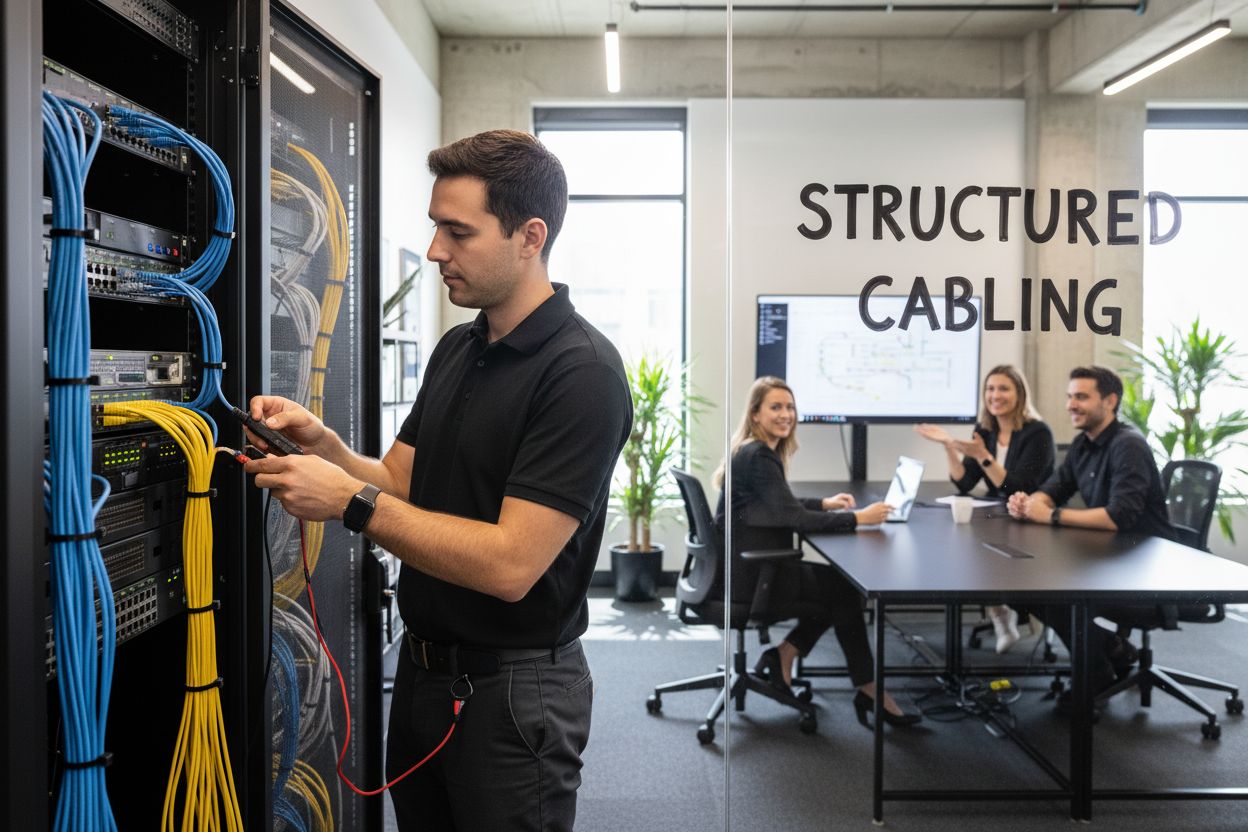
Structured cabling is the silent powerhouse behind modern homes and business networks. It is not just wires in the walls. This modular setup lets you upgrade your tech without replacing everything, saving tons of money and hassle over time. Most people think fancy gadgets make a home smart but real connectivity starts with a planned wiring system you almost never see. The real surprise is how much flexibility and future-proofing one structured network can deliver when your devices and demands keep growing.
Table of Contents
Quick Summary
Takeaway | Explanation |
Structured cabling improves network organization | It creates a reliable infrastructure for seamless communication, essential for both homes and businesses. |
Designed for future-proofing technology | A modular approach allows easy upgrades without disrupting existing systems, accommodating evolving tech needs. |
Supports smart home integration effectively | It enables interconnected smart devices to communicate efficiently, enhancing overall home automation experiences. |
Adheres to international standards | Compliance with standards ensures consistent performance and compatibility across different systems and environments. |
Boosts property value with advanced infrastructure | Installing structured cabling elevates modern home connectivity and supports high-performance technology use, attracting potential buyers. |
What is Structured Cabling and Its Components?
Structured cabling represents a comprehensive telecommunications infrastructure standard that provides a flexible and organized network system for businesses and residential spaces. Our comprehensive guide on structured cabling explains how this systematic approach transforms network connectivity.
Core Components of Structured Cabling
Structured cabling consists of several key interconnected elements that work together to create a reliable communication network. These components include:
Telecommunications Room: A centralized space housing primary network equipment and serving as a connection point for multiple cable runs
Backbone Cabling: Primary vertical infrastructure connecting different floors or building sections
Horizontal Cabling: Cables running horizontally through floors to connect telecommunications rooms with individual workstations
According to Telecommunications Industry Association, structured cabling follows specific standards that ensure consistent performance and scalability across different network environments.
Design and Performance Characteristics
The design of structured cabling prioritizes flexibility and future-proofing. Unlike traditional point-to-point cabling systems, structured cabling creates a standardized framework that can accommodate evolving technological requirements. This modular approach allows seamless upgrades and modifications without complete infrastructure replacement.
Key performance characteristics include:
High bandwidth capacity
Minimal signal interference
Enhanced network reliability
Simplified troubleshooting
Professional structured cabling installation ensures that complex network infrastructures remain organized, efficient, and capable of supporting advanced communication technologies.
This table outlines the core components of a structured cabling system and succinctly explains the function of each to clarify their roles in a well-designed network.
Component | Description |
Telecommunications Room | Centralized space for main network equipment, connecting multiple cable runs |
Backbone Cabling | Primary vertical cabling connecting different floors or building sections |
Horizontal Cabling | Cabling running from telecommunications rooms to individual workstations, typically across a floor |
Why Structured Cabling Matters for Modern Homes
In an era of increasing technological complexity, structured cabling has become a critical foundation for seamless home connectivity. Our comprehensive guide on home networking best practices highlights how advanced network infrastructure transforms residential experiences.
Smart Home Technology Integration
Modern homes require robust network infrastructures that can support multiple high-bandwidth devices simultaneously. Structured cabling provides the backbone for smart home ecosystems, enabling smooth communication between various technological components. This includes:
Home security systems
Smart entertainment networks
Automated climate control systems
Advanced home office connectivity solutions
According to Cisco’s Annual Internet Report, the number of networked devices per person is expected to grow significantly, underscoring the importance of scalable network infrastructures.
Future-Proofing Home Technology
Structured cabling represents a strategic investment in a home’s technological capabilities. Unlike ad-hoc networking solutions, this approach anticipates future technological demands, allowing homeowners to upgrade systems without complete infrastructure overhauls. The standardized design ensures compatibility with emerging technologies, reducing long-term upgrade costs and minimizing potential disruptions.
Key advantages of structured cabling include:
Consistent performance across multiple devices
Enhanced signal quality and transmission speeds
Simplified maintenance and troubleshooting
Increased property value through advanced technological infrastructure
Professional structured cabling installation transforms residential spaces into sophisticated, interconnected environments ready to meet the evolving demands of modern digital living.
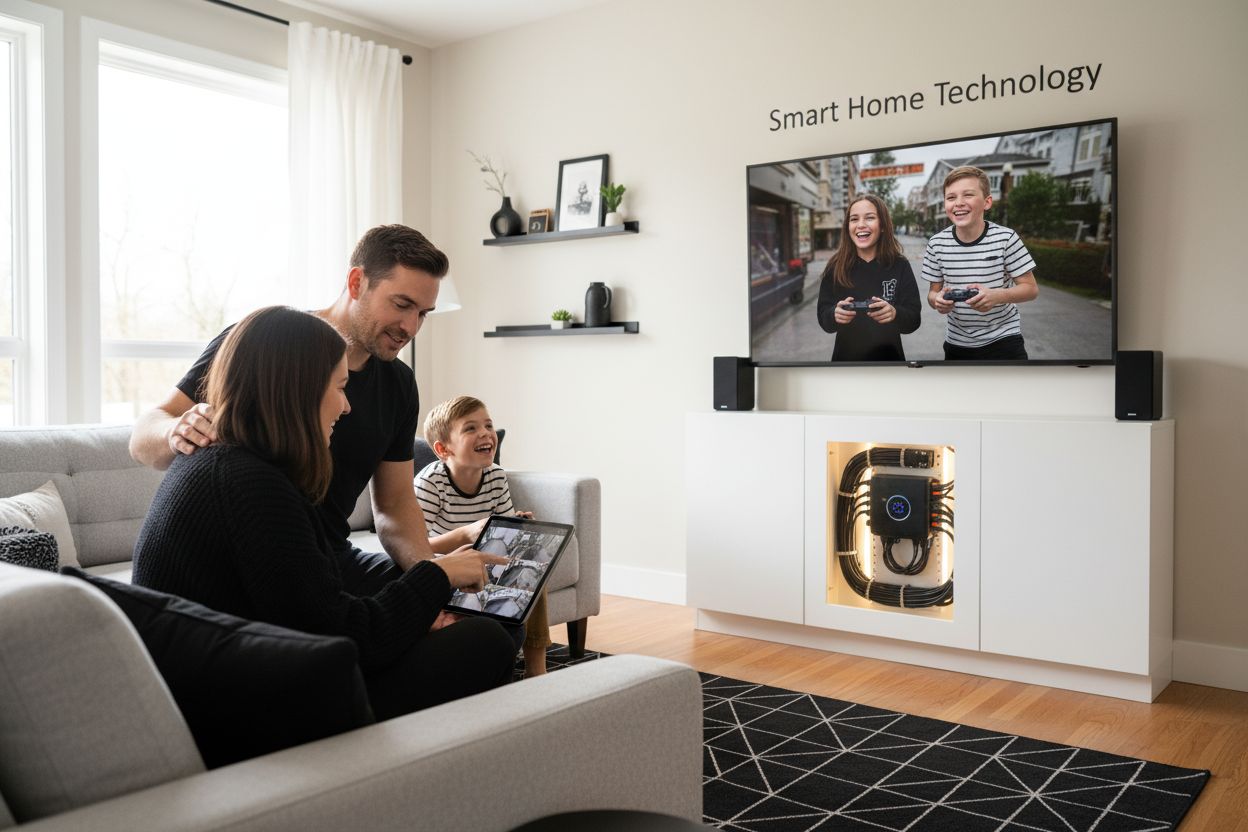
How Structured Cabling Supports Smart Automation
Structured cabling serves as the fundamental communication infrastructure that enables seamless smart home automation. Learn more about our smart home installation process to understand how comprehensive network design transforms residential technology experiences.
Network Communication Backbone
Structured cabling creates a robust platform for smart home devices to communicate efficiently and reliably. Unlike traditional wiring systems, this approach provides a standardized framework that supports multiple communication protocols and high-bandwidth requirements. The infrastructure allows diverse smart devices to interact simultaneously without performance degradation.
Key communication capabilities include:
Simultaneous data transmission across multiple devices
Low latency signal processing
Consistent bandwidth allocation
Minimal electromagnetic interference
According to Continental Automated Buildings Association, structured cabling supports the growing ecosystem of network-connected sensors, controls, and automation systems by providing a scalable data communication foundation.
Integration of Complex Smart Systems
Modern smart home automation involves intricate networks of interconnected devices ranging from security systems to entertainment platforms. Structured cabling enables these complex technological ecosystems to function as a unified, intelligent environment. The standardized infrastructure supports seamless integration of:
Voice-activated control systems
Centralized home management platforms
Advanced security and monitoring technologies
Energy management solutions
By creating a flexible and future-proof network infrastructure, structured cabling ensures that homeowners can easily upgrade and expand their smart home capabilities without extensive rewiring or system overhauls.
Key Concepts and Standards in Structured Cabling
Structured cabling operates within a complex framework of internationally recognized standards that ensure consistent performance and compatibility. Learn more about our structured cabling installation steps for luxury homes to understand the precision required in professional network infrastructure design.
International Cabling Standards
Structured cabling standards provide a universal blueprint for network infrastructure design, establishing critical guidelines that transcend individual technological implementations. The primary regulatory bodies governing these standards include:
Telecommunications Industry Association (TIA)
Electronic Industries Alliance (EIA)
International Organization for Standardization (ISO)
According to ANSI/TIA-568 Standard, these comprehensive standards define specific requirements for cable types, installation practices, and performance metrics.
Performance and Classification Metrics
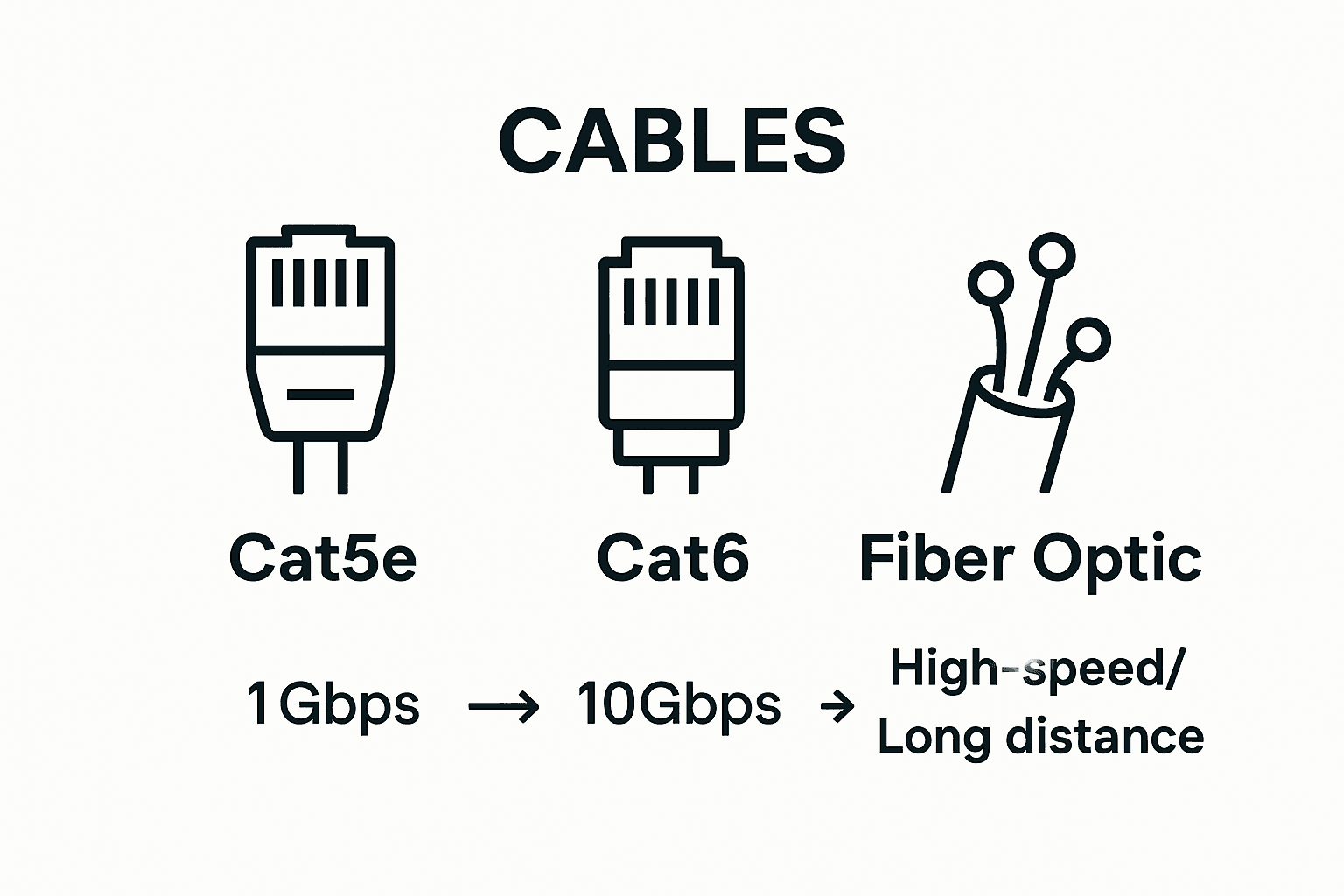
Structured cabling systems are classified based on rigorous performance benchmarks that measure signal transmission capabilities. These classifications determine the network’s potential bandwidth, transmission speed, and overall reliability. Key performance categories include:
Category 5e (Cat5e): Supporting up to 1 Gbps transmission
Category 6 (Cat6): Supporting up to 10 Gbps transmission
Category 6A (Cat6A): Supporting 10 Gbps with enhanced electromagnetic resistance
Fiber Optic: Supporting extremely high-speed, long-distance transmissions
Professional structured cabling implementation requires deep understanding of these technical standards to create robust, scalable network infrastructures that meet contemporary digital communication demands.
The following table breaks down the primary types of cabling categories and their defining features to help readers understand differences in performance and capability.
Cabling Category | Maximum Speed | Typical Use Case | Special Characteristics |
Cat5e | Up to 1 Gbps | General residential and small business networks | Enhanced performance over standard Cat5 |
Cat6 | Up to 10 Gbps | Modern office/home installations | Improved noise resistance, better for longer runs |
Cat6A | Up to 10 Gbps | High-performance/business environments | Better electromagnetic resistance, supports longer cable runs |
Fiber Optic | Extremely high | Data centers/long-distance/high-demand networks | Immune to electromagnetic interference, ultra-fast speeds |
Real-World Applications and Benefits of Structured Cabling
Structured cabling transcends theoretical design, delivering tangible benefits across residential and commercial environments. Discover our comprehensive guide on home networking best practices to understand the practical implications of advanced network infrastructures.
Residential Smart Home Integration
Modern residential spaces demand sophisticated network infrastructures that support multiple high-bandwidth devices and complex automation systems. Structured cabling enables seamless connectivity across diverse technological ecosystems, allowing homeowners to create intelligent, responsive living environments. This approach supports:
Multi-room audio and video streaming
Advanced home security systems
Integrated climate and lighting controls
High-performance home office networks
According to Gartner Research, the number of connected home devices is expected to grow exponentially, making robust network infrastructures increasingly critical.
Commercial and Enterprise Applications
Beyond residential settings, structured cabling provides essential infrastructure for businesses seeking reliable, scalable network solutions. The standardized approach ensures consistent performance across complex organizational networks, supporting critical communication and data transmission requirements. Enterprise applications include:
Large-scale data center operations
Corporate communication networks
Collaborative workplace technologies
Cloud computing and remote work infrastructure
By creating a flexible, future-proof network foundation, structured cabling enables organizations to adapt quickly to emerging technological challenges and opportunities.
Take Control of Your Home Network With Expert Structured Cabling
Struggling with slow or unreliable connections in your smart home can be frustrating. The article highlights how outdated, point-to-point wiring leaves you unprepared for the demands of high-bandwidth streaming, security, and advanced home automation. Structured cabling is no longer a luxury but a necessity for anyone wanting seamless entertainment, security, and comfort throughout their residence. If you want to make sure every connected device performs at its best and your home is ready for future upgrades, professional installation is key. Discover how our experienced team at Techology Experts brings advanced network organization and future-proofing right to your home. We specialize in high-end integrations for home theaters, Control4 automation, and unified AV systems across Houston and surrounding areas. To see why structured cabling matters for your lifestyle, review our comprehensive guide on structured cabling or explore the many ways it enhances home networking best practices on our site.

Ready to step into the next generation of home connectivity? Visit Techology Experts today to schedule a consultation. Achieve powerful reliability, smarter integration, and lasting value for your home—now is the perfect time to make your upgrade.
Frequently Asked Questions
What is structured cabling and why is it important?
Structured cabling is a standardized telecommunications infrastructure that organizes and supports communication networks for both residential and commercial environments. It is important because it provides high bandwidth, reduces signal interference, and supports the integration of various technology systems, which are essential for efficient communication and connectivity today.
How does structured cabling support smart home technology?
Structured cabling serves as the backbone of smart home systems by allowing multiple smart devices, such as security cameras, entertainment systems, and climate control mechanisms, to communicate seamlessly. This organized infrastructure ensures reliable performance and easy upgrades to accommodate future smart technology advancements.
What benefits does structured cabling offer for businesses?
For businesses, structured cabling provides a flexible, scalable, and organized network that supports critical communications and data transfer. With capabilities for high bandwidth and low interference, it allows for efficient operation of large-scale data centers and corporate networks, enabling organizations to adapt to new technological challenges.
How does structured cabling future-proof my home or business network?
Structured cabling is designed with modularity in mind, making it easier to upgrade or modify systems as technology evolves. This prevents the need for complete infrastructure overhauls, ensuring compatibility with new technologies and reducing long-term costs associated with network upgrades.
Recommended
Comments